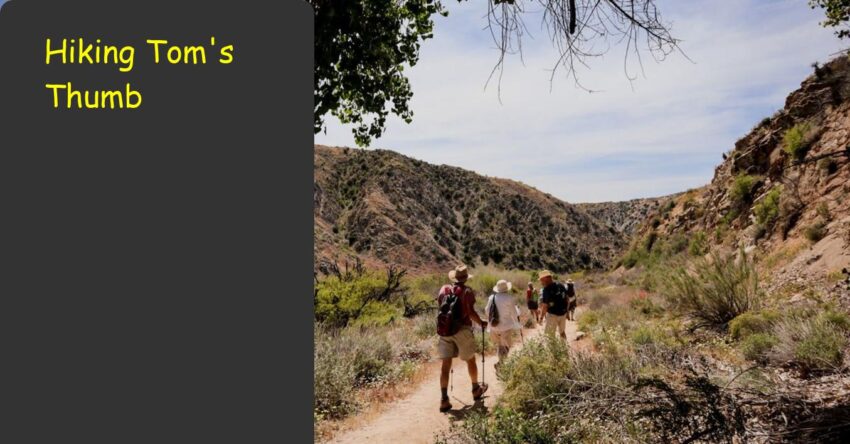
Introduction: Embark on a Memorable Group Adventure
Tom’s Thumb is one of the most iconic and rewarding hikes in Scottsdale’s McDowell Sonoran Preserve. According to the City of Scottsdale, McDowell Sonoran Preserve, 2025, it’s a strenuous 4-mile round-trip trail with roughly 1,200 feet of elevation gain. The climb ends at a massive granite spire that has stood for an incredible 1.4 billion years.
While many hikers tackle this route solo, hiking Tom’s Thumb with a group changes everything. The group setting turns a demanding physical challenge into a shared celebration of effort and reward. Research shows that hiking with others lowers stress and boosts motivation on the trail.
This guide covers every detail you need for a successful outing. You’ll find step-by-step logistics, essential gear lists, and community resources for meeting fellow hikers. Whether you’re planning a club event or a casual meetup, this plan has you covered.
Let’s start by exploring why group hiking transforms this beloved Arizona landmark into an even better experience.
Why Hike Tom’s Thumb with a Group?
Tom’s Thumb is a demanding climb, but you don’t have to face it alone. The social and safety benefits of group hiking make it the preferred way to navigate the rugged terrain of the McDowell Sonoran Preserve. When a dozen hikers move together, that 1,200-foot ascent becomes far more manageable — and far more memorable.
Group hiking changes how you handle risk from the moment you hit the trail. If someone rolls an ankle on the loose granite or starts to overheat in the desert sun, help is already walking beside you. That built-in support system can turn a potential emergency into a quick fix. For tips on tackling the warmer months safely, see our guide to hiking Tom’s Thumb in summer.
There is also a powerful psychological payoff to climbing as a crew. The next two sections break down the specific safety and motivation benefits, so you can see why group hiking is the smarter choice for this rugged route.
Safety and Emergency Response
The rugged terrain of the McDowell Sonoran Preserve demands careful planning, especially for a group hike. Hiking with a few trusted partners measurably reduces risk before you even step onto the trail.
Safety starts with numbers. The National Park Service, 2024 recommends groups of at least 3–4 people for better visibility and faster response times. In an emergency, those extra hands make a real difference. Groups can treat minor injuries, such as ankle sprains or heat exhaustion, more effectively by delegating tasks. One person can call for help while others provide first aid Wilderness Medical Society, 2023.
There is also a clear psychological advantage. According to an Outdoor Alliance, 2024 survey, 85% of hikers feel significantly more secure when hiking with others on unfamiliar, rocky terrain. That confidence helps everyone stay calm and focused when conditions get tricky.
Once you have your group lined up, put your plan on paper. Action: Download the Group Hiking Safety Checklist PDF and share it with your group before heading out. This simple step keeps everyone on the same page about gear, pace, and emergency contacts.
Safety is only half of why groups thrive on this climb. Next, we will explore the psychological payoff of conquering Tom’s Thumb together.

Psychological Benefits and Motivation
The value of hiking in a group goes far beyond safety on the trail. According to the UC Berkeley Greater Good Science Center, 2023, shared physical challenges release oxytocin. This hormone strengthens interpersonal bonds during exertion. Put simply, climbing together builds lasting friendships that carry beyond the mountain.
Encouragement also changes how hard the climb feels. Research from Sports Psychology Today, 2023 shows that peer support lowers perceived exertion on steep sections. When hikers cheer each other on, the tough switchbacks feel far lighter. This keeps the whole group moving at a steady, consistent pace.
The reward extends well past the summit. A Journal of Happiness Studies, 2022 study found that reaching a peak together brings more life satisfaction than solo achievement. That shared pride fuels repeat trips for arizona hiking clubs and group hikes in Scottsdale. With motivation high and bonds formed, proper gear keeps everyone comfortable and safe on the way up.
Essential Group Gear and Hydration
Once your group is charged up on the shared motivation covered above, the next priority is preparation. Proper preparation ensures that no single member’s gear failure impacts the entire group’s experience. When one hiker runs out of water or tears a pack strap, the whole line slows down.
A shared gear check before the trailhead prevents most of these headaches. Many beginners bring too much or too little, often wasting money on items they never use. A solid baseline keeps everyone comfortable and moving at the same pace.
That baseline comes down to three pillars for a desert hike like Tom’s Thumb: hydration, sun protection, and communication. Working through them together before you leave home means fewer surprises on the trail. From there, your group can focus fully on the climb ahead and the views waiting at the summit.

Hydration and Nutrition Management
Water is the most vital piece of gear you will carry on Tom’s Thumb. According to the American Hiking Society, 2024, desert hikers need about 1 liter of water per hour. For this strenuous climb, that means planning for 3–4 liters per person to stay safe and energized.
Set a fixed hydration cadence as a group rule. Drink 4–6 ounces every 20 minutes, even if nobody feels thirsty. The CDC, 2024 warns that thirst is a late indicator of dehydration. Hydrating together also keeps the whole group moving at a steady, consistent pace.
Fuel matters just as much as water. Sports Medicine, 2023 recommends 30–60g of carbohydrates per hour for hikes lasting over two hours. Trail mix, energy chews, and fresh fruit are easy options to share. Ask members to pack extra snacks in case someone runs short.
For hands-free sipping on steep sections, the CamelBak Crux 2L Hydration Pack keeps your group moving without constant stops. A simple 1L Water Bottle is a reliable, budget-friendly alternative for lighter hikers. Whichever you choose, make sure every member can access water without slowing down. Next, we will cover sun protection and apparel to handle the desert’s intense UV rays.
Sun Protection and Apparel
Arizona’s sun demands respect, especially at elevation. According to the Skin Cancer Foundation, 2023, UV exposure climbs 10–12% for every 1,000 feet of gain. Since Tom’s Thumb tops out near 3,900 feet, your group faces significantly stronger rays than at the trailhead. Make SPF 30+ sunscreen, wide-brimmed hats, and UV-protective sunglasses mandatory for every member.
Your footwear matters just as much as sun gear. The REI Expert Advice, 2024 guide urges sturdy, ankle-supporting boots with aggressive tread for rocky trails like this one. Help your group verify their boots before the trip. A quick gear check upfront prevents blisters and rolled ankles later on the scramble.
Layering is essential for desert comfort. A wicking base, an insulating layer, and a packable shell handle swings of up to 30°F in a single hike. Mornings start cool, while midday heat pushes the opposite direction. Keep extra layers light enough to shed as the ascent warms the group.
For groups unsure about packing, check our guide on gear items beginner hikers waste money on to avoid overpacking. If boots are a point of debate, the guide on using waterproof hiking boots in snow explains tread and traction trade-offs. Once apparel is dialed in, shift focus to your group’s first-aid kit and communication plan.

Group First Aid and Communication
Once your group is protected from the sun and properly shod, focus on medical readiness and clear communication. Designating one leader to carry your group’s first-aid kit prevents confusion when seconds count. According to the American Red Cross, 2024, you should stock it with moleskin for blisters, pain relievers, and antiseptic wipes.
Blisters top the list of common trail complaints, so pack extra moleskin. Build your kit around the group’s size and experience level. Here are two proven options for different budgets:
- First Aid (Quality): Adventure Medical Kits Ultralight/Watertight .7
- First Aid (Budget): First Aid Only 60 Piece Kit
Communication matters just as much as medical supplies. For larger groups, FRS/GMRS walkie-talkies keep everyone connected across switchbacks and ridges. The Midland X-Talk delivers solid range at a budget price. For premium clarity and extra reach, the Motorola Talkabout T800 is a reliable upgrade.
Pair handheld radios with shared GPS tracking to avoid losing anyone on the rock scramble. Browse our guide to the best GPS watches for a hands-free navigation option. Set one simple rule: every member checks in at each switchback before moving forward.
Step-by-Step Planning Logistics
The best group hikes start long before anyone reaches the parking lot. Careful planning helps your group avoid common frustrations that derail many Tom’s Thumb outings. Whether you are new to group hikes in Scottsdale or a seasoned social club, a clear plan keeps everyone safe and on schedule. Solid logistics also reduce stress on the trail. When each hiker knows the time, route, and expectations, the group moves together as one. That coordination matters on a strenuous 4-mile climb with over 1,200 feet of elevation gain. Knowing the exact Tom’s Thumb Trailhead address and arrival plan saves your group valuable time and energy. Follow the four steps below to lock in your timing, set expectations, protect the trail, and brief your crew. Doing so turns a chaotic morning into a smooth, memorable ascent. Once the planning is handled, you can focus on the hike itself and avoid the common mistakes that trip up even experienced groups.

Step 1: Timing and Weather Conditions
Choosing the right time of year is the first step toward a smooth group outing. The best window is October through April, when daytime temperatures hover between 60°F and 85°F. This cooler weather keeps the climb comfortable even for slower-paced social groups. Planning during these months also gives you longer daylight for photos and breaks.
Summer heat makes Tom’s Thumb genuinely dangerous. A 2024 report from AZDHS found Maricopa County records over 3,500 heat-related ER visits each year. Hiking this exposed route in July is simply not worth the risk. Larger groups, who move at varied speeds, face even greater exposure to the midday sun.
Weekend parking is the other timing factor to manage. Data from the City of Scottsdale shows the 100-space lot often fills by 7:30 AM. Set a “boots on trail” time before then to avoid circling for a spot. For exact location details, check our guide on the Tom’s Thumb trailhead address.
Finally, always check conditions the night before you head out. The Weather Underground app delivers hour-by-hour wind, humidity, and temperature data. Share the forecast in your group chat so everyone dresses and packs accordingly. This is especially important when the schedule demands that early start.
With the date and weather locked in, the next step is setting clear expectations for the climb itself.
Step 2: Setting Group Expectations
Once you have locked in your timing and weather window, the next step is aligning everyone’s expectations. Plan on 2.5–4 hours for the 4-mile round trip. Add extra time for photos, snack breaks, and regrouping at switchbacks. The final half-mile is the toughest part, with steep switchbacks and mild rock scrambling that can slow even fit hikers.
Pace matters more than speed on this trail. According to the British Mountaineering Council, 2024, the slowest member should set the pace to keep the group cohesive. This prevents the group from splitting into fast and slow clusters. It also reduces the risk of injuries from rushed footing on loose rock.
Before you go, share the AllTrails Pro map with the entire group. This helps members preview the climbing sections and know what to expect. It also lets each hiker track their position in real time if the group spreads out. For extra confidence, review the Tom’s Thumb Trailhead Address guide so everyone arrives at the right spot.
Set clear expectations about group behavior too. Decide on scheduled breaks and a meeting point at the summit. Once expectations are clear, you can move on to trail etiquette and leave no trace principles before you start hiking.
Step 3: Trail Etiquette and Leave No Trace
Getting the group to the trailhead is half the battle. Carpooling is the smartest way to ease parking stress at Tom’s Thumb, which fills its small lot quickly on weekends. Fewer vehicles also mean the whole group arrives together and starts as one unit. If you need help finding the entrance, this guide to the Tom’s Thumb Trailhead Address covers the details.
Once boots hit the dirt, remember that uphill hikers have the right of way. This rule matters most on the narrow switchbacks and rocky scrambles near the summit. Fast walkers should pause and let ascending groups pass without crowding. A little patience keeps everyone safe and on schedule.
Responsible group hiking in Scottsdale also means following Leave No Trace principles. Pack out every wrapper, bottle, and orange peel, since the trailhead offers no waste service. What goes up must come back down with you. This simple habit keeps the McDowell Sonoran Preserve beautiful for every hiker who follows.
Once etiquette is settled, the final planning step is holding a group safety briefing before anyone sets off.
Step 4: The Group Safety Briefing
Before anyone sets foot on the trail, hold a short briefing. This quick meeting prevents confusion and keeps the group aligned before tackling the steep ascent.
Start by assigning “buddies” and naming a “sweep.” A sweep is an experienced hiker who stays at the rear of the group. Buddies check in with each other regularly and flag any concerns to the leader. This simple pairing ensures no one falls behind unnoticed.
Next, establish a clear lost protocol. If anyone gets separated, they should stop, stay in one place, and share their GPS location immediately. A reliable GPS watch helps everyone track their position in real time. This rule prevents panic and speeds up reunions on a trail with many bends and rock formations.
Finally, keep your group size manageable. The Boy Scouts of America recommends a ratio of one experienced leader for every 10 participants. Larger groups become hard to manage across rocky switchbacks and narrow sections. Sticking close to this ratio lets leaders spot trouble early and respond quickly.
With roles clear and rules in place, your group is ready to hit the trail. Next, we’ll cover common mistakes to avoid once you’re on the move and how to fix them fast.

Troubleshooting Common Group Mistakes
Even a well-planned hike can hit a snag. Here’s how to fix the most common group mistakes before they ruin your Tom’s Thumb outing.
Late Starts: A delayed departure pushes your group into the midday heat. Set a firm “boots on trail” time and confirm it through your group chat the night before. Remind everyone that the parking lot fills fast on weekends. Being early protects your spot and your schedule. For smooth access, review the Tom’s Thumb Trailhead Address guidance ahead of time.
Group Fracturing: Faster hikers naturally pull ahead on steep switchbacks. Use walkie-talkies to check in at each major turn and keep the group within earshot. This stops the group from stretching into a long, disconnected line. It also ensures no one takes a wrong turn in the rocky terrain.
Dehydration Neglect: Thirst is a late sign of trouble. The CDC, 2024 identifies dehydration as building before you feel it. Schedule mandatory water breaks every 20 minutes so no one falls behind on fluids. Use these stops to snack and let stragglers catch their breath.
Blister Issues: A small hotspot becomes a painful wound quickly. The Wilderness Medical Society, 2023 advises treating these spots right away. Apply moleskin the moment you feel friction, not after the blister forms. Carry extra moleskin in your group first-aid kit so it’s always on hand.
Once these common pitfalls are handled, your group will move smoothly up the trail. Next, let’s explore how to find hiking communities if you don’t already have a ready-made crew.
Finding and Joining Hiking Communities
A regular hiking crew isn’t always easy to assemble. Friends move, schedules shift, and enthusiasm fades after a busy week. The good news is that Scottsdale’s outdoor community makes it simple to find fellow adventurers.
Whether you prefer casual weekend meetups or structured club outings, there are options for every comfort level. These groups handle much of the heavy lifting. They organize trailheads, set realistic paces, and often share gear expertise that newcomers appreciate.
Joining a community also puts the group safety habits from earlier in this guide into daily practice. Scottsdale offers both informal digital networks and long-standing hiking clubs. Both paths connect you with experienced leaders who know Tom’s Thumb well.
Start by exploring the social meetup options, then consider a formal club if you want certified leadership and regular programming. Every route leads to the same goal: more rewarding group hikes in Scottsdale.

Scottsdale Meetups and Social Groups
If you don’t already have a hiking circle, Scottsdale makes it easy to find your people. Meetup.com hosts active groups like “Arizona Hiking Enthusiasts” (3,200+ members) and “Phoenix Metro Outdoor Adventures” (5,500+ members). These communities regularly organize group hikes in Scottsdale and welcome newcomers at every skill level.
Facebook is another rich place to connect. The “Arizona Hikers” group has more than 55,000 members who share trail reports and plan outings. Smaller pages like “Scottsdale Fitness and Outdoor Adventure” offer a more relaxed way to meet nearby neighbors.
Joining these groups is free and requires no long-term commitment. Use Meetup.com Tom’s Thumb Meetups to filter events by trail, date, and difficulty. The Scottsdale Hiking Facebook Group works well for spontaneous weekend plans and real-time trail updates.
Once you pick a meetup, share the easy-access directions and the proper Tom’s Thumb Trailhead Address so everyone arrives on time. If you prefer more structured outings with certified leadership, established clubs offer another strong option — we turn to those next.
Established Arizona Hiking Clubs
If casual meetups feel too unstructured, consider joining a formal club. These organizations offer certified leaders, organized outings, and member gear discounts. They also provide a consistent network for planning future group hikes in Scottsdale.
The Arizona Hiking Club is a strong choice. Founded in 1969, it runs 20 or more monthly hikes through its azhikingclub.org site. This long history means experienced leadership and well-tested routes across the region.
The Sierra Club Grand Canyon Chapter is another trusted option. It leads regulated outings inside the McDowell Sonoran Preserve with certified leaders, as noted on sierraclub.org/arizona. Their structured approach makes it easy to find a spot on a guided Tom’s Thumb climb.
Clubs pair well with the buddy and sweep roles we covered in the planning steps. Formal groups already use these systems, so you can learn by example. Once you build trust with a club, you’ll have a ready-made team for every landmark in the preserve.
The Trail Experience: Highlights and Post-Hike Fun
Maximize the experience by knowing where to look and where to celebrate afterward. The summit rises to 3,869 feet, offering 360-degree views of Four Peaks, the Superstition Mountains, and the Phoenix skyline. That payoff makes every switchback worth the effort.
Watch for three major overlooks along the way. Shade Rock appears around the one-mile mark, followed by Canyon Vista near 1.5 miles, and finally Summit Point at two miles. Stop at each one for rest and for photos that capture the group’s progress. A 2023 study from the Journal of Environmental Psychology found that shared awe at high vantage points increases group cooperation.
For the best group shots, plan around golden hour and bring a wide-angle lens. Our guide on Tom’s Thumb Trail Photography Spots covers the ideal vantage points in detail. Wildlife lovers should also scan the rocky slopes for bighorn sheep—see our Tom’s Thumb Hike Wildlife guide to know exactly where to look.
After descending, celebrate your achievement at nearby local spots. The Herb Box, Salty Sow, and Andreoli Italian Grocer all welcome trail-weary hikers, according to the Scottsdale CVB, 2025. Use this time to debrief and plan your next group outing. Popular follow-ups include Gateway Loop (4.6 miles) and Pinnacle Peak (3.5 miles).
Now, let’s answer the most common questions groups ask before their first hike together.
Landmarks and Photo Opportunities
The summit of Tom’s Thumb towers at 3,869 feet. It rewards your group with sweeping 360-degree views. On clear days, you can spot Four Peaks, the Superstition Mountains, and the Phoenix skyline stretching to the horizon.
As your group climbs, watch for three key overlooks to mark on AllTrails before you start. Shade Rock appears at roughly the one-mile mark and offers a natural rest break. Canyon Vista opens up around 1.5 miles, giving you the first dramatic canyon views. Summit Point arrives at the two-mile mark, where you finally stand beside the giant 1.4-billion-year-old granite spire.
Tip: Stopping together at these high vantage points does more than create memories. A 2023 study in the Journal of Environmental Psychology found that shared awe at scenic overlooks boosts group cooperation. For the best group shots, plan around golden hour and bring a wide-angle lens. You can also scout specific framing spots ahead of time with our guide to Tom’s Thumb photography spots.
Once you’ve captured the summit views and soaked in the shared accomplishment, turn your attention to the best way to celebrate your climb—the post-hike food scene nearby.
Post-Hike Activities
After conquering the summit, treat your group to a well-earned meal at a nearby Scottsdale favorite. The Scottsdale CVB, 2025 highlights spots like The Herb Box, Salty Sow, and Andreoli Italian Grocer. All are just a short drive from the preserve trailhead.
These local eateries serve hearty portions and cold drinks that hit the spot after a long climb. Use the relaxed time to debrief and swap favorite moments from the trail. Sharing highlights strengthens the bond your group built over the past few hours.
A quick recap also reveals lessons for the next outing. Popular follow-up trails near the preserve include the Gateway Loop (4.6 miles) and Pinnacle Peak (3.5 miles). Both offer similar Sonoran scenery while keeping the challenge fresh. For simple navigation when you go again, review our Tom’s Thumb trail directions before you set out.
Lock in your next date before the group disperses. The excitement is highest right after a successful climb. To wrap up your planning, the next section answers common questions groups ask about tackling Tom’s Thumb.
People Also Ask: Group Hiking FAQs
How long does Tom’s Thumb take for a group? Plan for 2.5–4 hours for the 4-mile round trip. That estimate already accounts for a steady, group-friendly pace. Add another 30–60 minutes if your group enjoys long photo stops or a relaxed summit break.
Is the trail suitable for beginners? Tom’s Thumb is rated strenuous, so it is not ideal for first-time hikers without preparation. The final half-mile involves steep switchbacks and light scrambling that can intimidate novices. If you bring beginners, keep the pace slow and confirm everyone packs enough water.
How much water should I bring? Carry at least 2–3 liters per person, and bump that to 4 liters in warmer weather. Remember that thirst is a late sign of dehydration, so schedule regular sips every 20 minutes.
When is the best time to hike? October through April offers the most comfortable temperatures for the climb. If you plan a summer outing, start at sunrise to avoid the dangerous midday heat. For details on beating the Arizona summer, review our guide on hiking Tom’s Thumb in summer before you commit to a date.
Once you have these answers locked in, use the checklist below to make sure your group is fully prepared.
Your Group Hike Checklist
Everything we’ve covered comes down to one simple tool: a clear checklist. Working through it before departure keeps your group safe, comfortable, and ready to enjoy the summit views.
- Seasonality: Confirm your dates fall between October and April. This window offers the most comfortable temperatures and the safest hiking conditions on Tom’s Thumb.
- Roles: Assign a designated leader and a sweep before anyone hits the trail. A summer hike requires even stricter planning, so knowing who checks in at each switchback matters.
- Logistics: Set a firm “boots on trail” time of 7 AM or earlier on weekends. Remember the parking lot fills fast, so share the trailhead address with everyone the night before.
- Gear: Each hiker should carry 2–3 liters of water, electrolyte packets, SPF 30+ sunscreen, and sturdy hiking boots. Double-check that no one is relying on gear they’ve never used.
- Safety: Pack a shared group first-aid kit and download GPX maps for offline use. Even experienced groups benefit from having both backups ready.
- Etiquette: Review Leave No Trace principles and the uphill right-of-way rule with the whole team. A quick refresher keeps the experience positive for your group and every hiker you pass.
- Celebration: Pick a post-hike meal spot ahead of time. Knowing there’s food and hydration waiting at the bottom gives everyone a fun goal to work toward.
Print this list and share it in your group chat. Download the Group Hike Packing List Template so every member arrives prepared. With your dates set, roles assigned, and gear confirmed, you’re ready to experience one of Scottsdale’s most rewarding group adventures. Happy trails!
