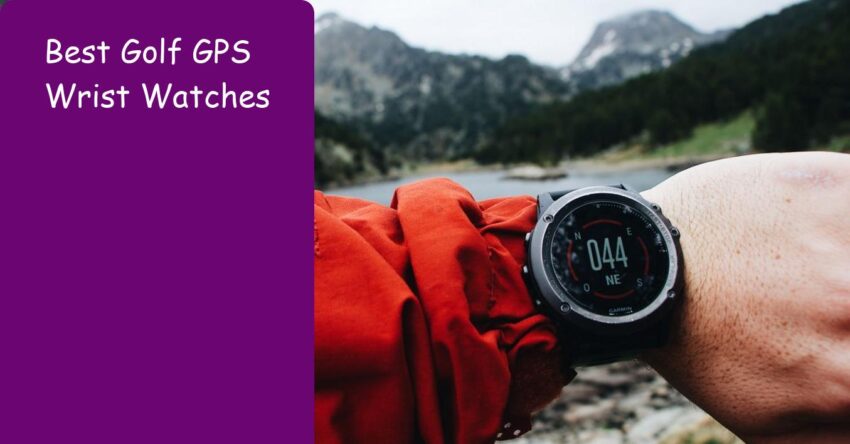
Introduction: Elevate Your Game with Precision on Your Wrist
Golf is a game of inches. Yet for decades, most players relied on pacing off yardages or guessing. That era is ending fast. According to the National Golf Foundation, 2023, nearly 50% of golfers now use a distance-measuring device. This shift marks a move from guesswork to data-driven play.
Modern GPS watches have come a long way. They evolved from bulky handhelds into sleek wearables that rival luxury timepieces. Today’s top models deliver 3–5 yards of accuracy. That puts them neck-and-neck with laser rangefinders, according to MyGolfSpy, 2024. The best golf GPS wrist watches combine precision with style and convenience.
This guide ranks the top golf watches for 2026 based on real testing. Whether you are a budget-conscious beginner or a style-obsessed enthusiast, there is a model for you. These tools are proven to improve performance. A Golf Digest Equipment Survey, 2019 found that players using precise yardage data improved proximity to the hole by 11% on average. That is nearly one club length closer.
A good watch does more than show distances. It can help you cut strokes from your game by providing data you can actually use. Before we dive into the top picks, let us walk through the key features that separate a great golf watch from a mediocre one.
Key Features to Look For in a Golf GPS Watch
Not every golf watch delivers the same performance. To find the right one for your game, you need to weigh seven key factors. These include GPS accuracy, battery life, display type, shot tracking, course management tools, comfort, and versatility for daily wear.
Getting these wrong can mean missed yardages or a device that feels clunky on your wrist. Getting them right unlocks real scoring benefits — something we explored in our guide on how the best golf GPS watches can cut strokes from your round. Let’s break down each factor so you can choose with confidence. We’ll start with the most critical one: GPS accuracy and course coverage.
1. GPS Accuracy and Course Coverage
Reliable yardage is the foundation of every good round. Without it, even the best swing can leave you guessing. That is why multi-band GNSS technology matters so much.
Multi-band GNSS locks onto GPS, Galileo, and GLONASS satellites simultaneously. According to DC Rainmaker, 2023, this triple-system approach maintains stable readings even under heavy tree cover or in deep valleys. Single-band watches often lose signal in those tricky spots.
Course coverage is equally important. A large preloaded library saves you from downloading courses on the fly. Garmin.com offers over 43,000 preloaded courses worldwide. That means you can travel to almost any course and get yardages instantly.
Free lifetime course updates are another must-have. Courses change — tees move, hazards shift, and greens get redesigned. Without free updates, your watch could become outdated. Always verify that the manufacturer provides these updates at no extra cost.
Accuracy and coverage work together. A watch with strong satellite reception and a vast course library gives you confidence on every shot. Once you have that foundation, you can focus on other factors like battery life and display technology, which we cover next.

2. Battery Life and Display Technology
Battery life varies greatly across display types. Monochrome watches typically deliver 8 to 12 hours in GPS mode. That is enough for multiple rounds between charges. Full-color AMOLED models, by contrast, usually last just 1 to 1.5 rounds. Look for quick-charge features. A 15-minute charge can give you several hours of play. This makes a big difference when you forget to charge before a round.
Display technology affects both readability and battery performance. MIP (Memory-in-Pixel) screens offer the best sunlight readability. They also use very little power. AMOLED displays deliver rich, detailed maps. But they drain the battery faster. Monochrome LCD is ideal for seniors. It provides high contrast and simple layouts. According to TechRadar (2024), choosing the right display type is one of the most important decisions when picking a golf watch. For a deeper look at how different watch displays perform on the course, check out our guide to smart watches with GPS for golf courses.
3. Shot Tracking, Analytics, and Course Management
Premium watches take guesswork out of your game with automatic shot tracking and strokes-gained analysis. According to a PGA of America, 2022 study, players who actively use these features lower their handicaps by an average of 3 strokes within 6 months. The key is identifying your weak spots—like approach shots from 150 yards—and targeting practice where it matters most.
Beyond basic yardage, essential course management features give you a real advantage. Green View with manual pin placement lets you drag the pin to its actual location for precise approach distances. Hazard scrolling shows carry distances to bunkers, water, and doglegs. PlaysLike Distance adjusts yardage for elevation changes and weather conditions, so a 150-yard shot uphill plays closer to 165 yards. If you want to dive deeper into how these features compare to older models, check out our comparison of Old GPS Watch vs Best Bushnell Golf GPS Watch: Gain 2‑Yard Accuracy.
These analytics work best when you actually review them after your round. The data reveals patterns you might miss on the course. Once you understand what the numbers mean, you can make smarter club choices and course strategies. Next, we will look at how comfort, style, and versatility affect your choice—because you will be wearing this watch all day.

4. Comfort, Style, and Versatility
A watch that feels heavy can distract you during a swing. Models weighing over 60 grams often feel cumbersome by the back nine. Look for lightweight designs that stay comfortable round after round.
Strap material matters just as much as weight. Silicone and breathable nylon straps handle sweat and sunscreen better than leather or metal. Many modern models, like the Garmin Fēnix and Venu, work as dual-purpose smartwatches. They track fitness during the week and guide you on the course. For a closer look at these versatile options, check out our guide to smart watches with GPS for golf courses.
Durability is also key. According to Hodinkee, 2023, you should aim for a water resistance rating of at least 5ATM. This protects the watch from rain, sweat, and a quick rinse after your round. With the right fit and build, your watch can handle any condition.
These factors of comfort and versatility directly shape our top picks. Let’s dive into the best golf GPS wrist watches available in 2026.
Top Picks: The Best Golf GPS Wrist Watches by Category
After extensive comparison testing of the top golf GPS wrist watches for 2026, four models rose above the competition. Each one excels in a specific category, catering to different golfer needs and budgets.
We evaluated them on accuracy, battery life, course management features, comfort, and overall value. The result is a clear set of winners across four key segments.
Below, you will find our picks for Best Overall, Best Premium Multisport, Best Value, and Best Style-First. Read on to see which top golf watch matches your game.
Best Overall: Garmin Approach S70
If you want the single best golf GPS wrist watch money can buy, the Garmin Approach S70 takes the crown. It strikes a perfect balance between advanced technology and easy everyday use. This is not a jack-of-all-trades smartwatch. It is a dedicated golf tool built from the ground up for the course.
Garmin packed every golf-specific feature into this model. You get a bright AMOLED display with full-color course maps, Virtual Caddie for club suggestions, and automatic shot tracking. The result? A watch that feels intuitive from the first swing. Many golfers find that upgrading from an older model to the S70 shaves valuable strokes off their round. For real-world results, check out The Secret to Cutting 2 Strokes per Round with the Best Golf GPS Watch & Fitness Tracker.
Below, we break down exactly what makes this watch tick and who benefits most from it.
Technology and Performance
The Garmin Approach S70 features a sharp 1.4-inch AMOLED touchscreen with full-color course mapping. This display makes it easy to read yardages and hazards at a glance, even in bright sunlight. The vibrant colors bring each hole to life, helping you visualize your next shot.
Its standout intelligence feature is the Virtual Caddie. This tool suggests clubs based on your swing history, current wind conditions, and elevation changes. It learns your tendencies over time, giving you personalized recommendations you won’t find on most golf watches.
According to MyGolfSpy, 2024, side-by-side tests show the S70 matches laser rangefinders within 3 yards. That kind of accuracy means you can trust the distance displayed on your wrist without second-guessing. The watch handles tree cover and tight fairways without signal loss thanks to its multi-band GNSS.
With a 10ATM water rating (100 meters), this watch survives rain, sprinklers, and even a dunk in a water hazard. It is rugged enough for any weather condition you might face on the course. This level of durability puts it ahead of standard smartwatches that only offer 5ATM resistance.

Pros, Cons, and Ideal User
The Garmin Approach S70 delivers best-in-class accuracy that rivals laser rangefinders. Side-by-side tests from MyGolfSpy, 2024 show it stays within 3 yards of laser readings. You also get quick-charge capability, so a short charge before your round gives you plenty of power. Free lifetime course updates keep your maps current without extra cost.
On the downside, the premium pricing sits around $600. That is a serious investment for most golfers. Some users also find the menu system complex, especially when trying to adjust settings mid-round. Battery life lasts roughly 1.5 rounds with the always-on display enabled, so you will need to charge after every other round.
This watch is ideal for serious golfers who want every possible data point. If you track your stats obsessively and want Virtual Caddie suggestions, this model delivers. It is less suited for casual players who just need front, middle, and back distances. For a more affordable option that still offers strong accuracy, check out our comparison of the best Bushnell golf GPS watch for a budget-friendly alternative.
Best Premium Multisport: Garmin Fēnix 7 Series
The Garmin Fēnix 7 Series is built for golfers who refuse to leave any adventure behind. This watch transitions seamlessly from the course to a trail run, a hike, or even your daily workout at the gym.
Key Golf Features
Under the hood, the Fēnix 7 uses the same multi-band GNSS technology found in the Garmin Approach S70. This means you get identical yardage accuracy — typically within 3 to 5 yards of a laser rangefinder. The watch includes AutoShot detection, PlaysLike Distance, and the Virtual Caddie feature, so you never feel like you are missing out on golf-specific data. Garmin.com
It also boasts a rugged build with titanium and sapphire crystal options. With a 10ATM water rating, it can handle rain, sweat, and even a splash into a water hazard. This is one of the most durable watches on the market.
Pros, Cons, and Ideal User
Pros: The build quality is unmatched. You get true multisport utility — golf on Saturday, a marathon on Sunday. Battery life is excellent, lasting multiple rounds on a single charge.
Cons: The price starts at $700 and climbs higher for premium materials. It is heavier than dedicated golf watches, so some golfers notice the weight on their wrist. The golf interface is nested within a complex fitness operating system. You may need to dig through menus to find your course data.
Ideal For: The athlete-golfer who wants one ultra-premium watch for everything. If you run, hike, swim, and golf, the Fēnix 7 is your best companion. For comparison, the next section covers a more affordable option that still delivers strong performance without the premium price tag.
Key Golf Features
The Fēnix 7 Series uses the same multi-band GNSS technology as the Approach S70. This delivers identical yardage accuracy — often within 3 yards of a laser rangefinder. You get reliable distances even under dense tree cover or in cloudy weather.
AutoShot detection tracks every swing automatically. You never need to tap a button during your round. PlaysLike Distance adjusts yardage for uphill, downhill, and temperature changes. Virtual Caddie analyzes your history, wind, and elevation to suggest the right club.
According to Garmin, the Fēnix 7 also features a rugged build with titanium bezels and sapphire crystal lens options. It carries a 10ATM water rating (100 meters), so it handles heavy rain, deep puddles, and post-round rinsing with ease. This watch is built for golfers who never take it off.
Want to learn how these features can cut strokes from your score? Check out this guide on using GPS watches to improve your game. For a broader look at golf-ready wearables, see our roundup of smart watches with GPS for golf courses.
Of course, all these premium features come with trade-offs. Let’s explore the pros, cons, and ideal user for the Fēnix 7 below.
Pros, Cons, and Ideal User
Pros: The Fēnix 7 offers build quality that few watches can match. It uses premium materials like titanium and sapphire glass. This rugged design means it survives rounds, trail runs, and daily wear. The true multisport utility sets it apart from dedicated golf watches. You can track a round in the morning and a hike in the afternoon. Battery life is another major win. You can play multiple rounds on a single charge without worry.
Cons: The biggest downside is the price. At over $700, it costs more than the dedicated Garmin Approach S70. The rugged build also adds noticeable weight on your wrist. Some golfers find it heavy during a full 18 holes. The golf interface sits inside a deep fitness operating system. You may need time to learn how to access course features quickly. This complexity can frustrate players who just want fast yardages.
Ideal For: This watch fits the athlete-golfer who wants one ultra-premium watch for everything. It replaces a golf watch, a running watch, and a smartwatch all at once. For those considering a multisport option, our guide to smart watches with GPS for golf courses explains how hybrid devices balance fitness and golf features. If you want rugged durability and long battery life above all else, the Fēnix 7 delivers. But if you prefer a simpler, more affordable option, the next pick is worth a closer look.

Best Value: Bushnell Neo Ion 3
Not every golfer needs a color touchscreen or AI club suggestions. The Bushnell Neo Ion 3 strips away the frills and delivers exactly what matters: fast, accurate yardages at a price that won’t break the bank. It is the perfect entry point for golfers who want reliable distance data without the learning curve of a premium smartwatch. In many ways, it offers the same core benefit as upgrading from an Old GPS Watch vs Best Bushnell Golf GPS Watch: Gain 2‑Yard Accuracy, but at a fraction of the cost.
Features and Accuracy
The Neo Ion 3 delivers front, middle, and back green distances with a single glance. It also shows hazard yardages, helping you avoid trouble spots off the tee. The device auto-locks onto courses from its library of over 36,000 preloaded layouts. Its high-contrast monochrome display and simple four-button navigation make it incredibly easy to use. Accuracy stays within 3–5 yards of laser rangefinders, according to specifications on Bushnell.com.
Pros, Cons, and Ideal User
Pros: The price is hard to beat at $150–$200. It is lightweight (under 55g) and easy to use. Battery life exceeds 12 hours in GPS mode, covering multiple rounds. Cons: There is no shot tracking, club recommendations, or color maps. The design is basic compared to AMOLED models. Ideal For: Beginners, seniors, or casual golfers who want simplicity and reliability. If you are new to the game, this watch gives you the confidence to trust your distances without overwhelming you with data.
Features and Accuracy
The Bushnell Neo Ion 3 focuses on what matters most: front, middle, and back green distances. It also displays hazard yardages so you know exactly what to avoid. This stripped-down approach means no distractions during your round.
The watch auto-locks onto courses from a library of over 36,000 preloaded options. You never need to search for a course or download a map manually. Just arrive at the first tee and the watch is ready to go. It works right out of the box.
A high-contrast monochrome display makes yardages easy to read in direct sunlight. The simple four-button navigation is intuitive for golfers of any age. Unlike touchscreen models, these buttons work perfectly with gloves or wet hands. No fumbling or accidental taps.
According to Bushnell.com, accuracy remains within 3–5 yards of laser rangefinders. That precision is more than enough for the vast majority of golfers. If you are upgrading from an older GPS model, you will notice a meaningful jump in reliability. For a deeper comparison of older versus modern Bushnell accuracy, check out our breakdown of Old GPS Watch vs Best Bushnell Golf GPS Watch. This watch proves you do not need to spend a fortune to get dependable yardage.
Pros, Cons, and Ideal User
The Bushnell Neo Ion 3 shines where it matters most: delivering fast, accurate yardage without the learning curve. Its lightweight build and massive 12+ hour battery mean you can play multiple rounds without charging. For golfers upgrading from an older unit, the accuracy jump is noticeable — check out our comparison of an Old GPS Watch vs Best Bushnell Golf GPS Watch: Gain 2‑Yard Accuracy to see the difference.
However, this model cuts corners on extras. You will not find shot tracking, club recommendations, or full-color course maps. The display is monochrome, and the overall look is purely functional. If you want deep analytics, you will need to spend more on a premium model.
This watch is ideal for beginners, seniors, and casual golfers who value simplicity above all else. It is also a great secondary option for players who already own a feature-packed watch but want a backup that just works. Up next, we look at a model that blends style with performance for the fashion-conscious golfer.
Best Style-First: Garmin Venu 3
If you want a watch that looks great at the 19th hole and performs on the course, the Garmin Venu 3 is your pick. This lifestyle smartwatch does not scream “golf gadget.” Instead, it blends a sleek stainless steel bezel with a vibrant AMOLED touchscreen. You can wear it to the office, the gym, and the course without missing a beat.
The Venu 3 still packs serious golf features. It includes Green View with manual pin placement for precise approach shots. AutoShot detection tracks your distances automatically. You also get a full fitness suite with sleep coaching, heart rate monitoring, and stress tracking. According to Garmin.com, this makes it one of the most versatile wearables on the market.
Pros: Stylish enough for 24/7 wear, excellent health tracking, and a reasonable price of around $450.
Cons: It lacks Virtual Caddie seen on premium golf models. The water rating is 5ATM instead of 10ATM on rugged watches.
Ideal For: Golfers who prioritize aesthetics and everyday smartwatch functionality over deep golf-specific analytics. It is perfect for looking sharp while shaving strokes off your game.
If a style-first approach appeals to you, check out our guide on 10 Essential Smart Watches with GPS for Golf Courses: Master the Course. But if you want the full suite of golf analytics, the next section covers the How to Choose a 4-Step Decision Framework to help you narrow your options.
Features and Design
The Garmin Venu 3 combines a sleek stainless steel bezel with a vibrant AMOLED touchscreen. It looks just as good at dinner as it does on the 18th green. This makes it a top choice among best golf GPS wrist watches for style-conscious players.
On the course, it offers Green View with manual pin placement and AutoShot detection to track your shots automatically. Off the course, it shines with a full fitness suite. You get sleep coaching, heart rate monitoring, and stress tracking — features missing from basic golf models. According to Garmin, the Venu 3 is truly a 24/7 wearable.
If you want a single device for golf and daily life, explore our guide on smart watches with GPS for golf courses. It compares similar hybrids that balance style with performance.
Pros, Cons, and Ideal User
Pros: The Garmin Venu 3 delivers a premium look you can wear from the course to the office. Its stainless steel bezel and vibrant AMOLED display rival traditional smartwatches. You also get excellent health tracking, including sleep coaching and heart rate monitoring. At roughly $450, it offers strong value compared to dedicated golf models.
Cons: The Venu 3 lacks the Virtual Caddie feature found on the Approach S70. This means you won’t get AI-driven club suggestions during your round. It also carries a 5ATM water resistance rating instead of the 10ATM found on rugged models like the Fēnix 7. For most golfers, 5ATM is still plenty — it handles rain and splashes with ease.
Ideal For: This watch is built for golfers who want a stylish everyday smartwatch with golf features built in. If you care more about aesthetics and daily health tracking than deep strokes-gained analytics, this is your pick. It pairs perfectly with the broader lineup of smart watches with GPS for golf courses that balance form and function.
Next, we’ll help you narrow down your choice with a simple decision framework. Understanding your priorities makes picking the right model much easier.

How to Choose: A 4-Step Decision Framework
With so many strong contenders on the market, choosing the right watch comes down to your personal priorities. Use this simple framework to cut through the noise and find your perfect match.
Step 1: Define Your Primary Use. Start by asking yourself one question: What will this watch do most of the time? If you want a golf-first tool with every possible course feature, the Garmin Approach S70 is your answer. If you need a lifestyle-first hybrid that works at the office and the gym, look at the Garmin Venu 3 or Fēnix 7. For pure distance marking on a budget, the Bushnell Neo Ion 3 keeps things simple. This decision alone eliminates half the options.
Step 2: Match the Display to Your Environment. Think about where you play most often. MIP (Memory-in-Pixel) and monochrome LCD screens excel in bright sunlight and preserve battery life. They are ideal for golfers who play in sunny climates. AMOLED displays offer rich, detailed color maps but drain power faster. Choose AMOLED if you value visual detail and don’t mind charging between rounds.
Step 3: Assess Your Analytics Needs. Be honest with yourself about how you use data. If you love reviewing post-round stats like strokes-gained or fairways hit, invest in a watch with automatic shot tracking. If you only want front, middle, and back yardages, skip the analytics and save money. According to the PGA of America, 2022, players who actively review their data improve faster. But data only helps if you actually use it.
Step 4: Set Your Budget. Price ranges map clearly to features. $150–$200 gets you a reliable distance marker like the Bushnell Neo Ion 3. $300–$450 opens up mid-range and style-focused models like the Garmin Venu 3. $600+ unlocks flagship and premium options like the Approach S70 or Fēnix 7 with full analytics and premium materials. Your budget should match your commitment level.
If you want a deeper look at how these models compare on accuracy, head to the performance section next.
Performance Comparison: Accuracy and Handicap Impact
Once you have identified your budget and preferred features, the next logical question is: Do these watches actually improve your game? The answer depends on two things — raw accuracy and how you use the data they collect. Let us examine how best golf GPS wrist watches stack up against traditional tools and what that means for your scorecard.
GPS Accuracy vs. Laser Rangefinders
Many golfers assume a laser is always more precise. That is not entirely true. According to MyGolfSpy, 2024, premium GPS watches like the Garmin Approach S70 now deliver accuracy within 3 yards of a laser rangefinder. For most amateurs, that margin is invisible during play.
The real difference is speed. A watch gives you yardage instantly by glancing at your wrist. A laser requires you to aim, steady your hand, and often shoot multiple times. This saves 5 to 10 minutes per round. Over 18 holes, that time adds up to fresher legs and sharper focus on your swing.
If you are curious about the technical side, we have a deep dive on how do golf GPS watches work compared to lasers. The bottom line is this: unless you are a scratch golfer who needs exact pin distance from 200 yards, a quality GPS watch is accurate enough to lower your scores.
Can a Watch Lower Your Handicap?
Accuracy alone does not lower scores. You also need to know where you lose strokes. That is where analytics come into play.
A 2022 report from the PGA of America found that golfers using club recommendations and stroke-tracking data reduced their handicap by an average of 3 strokes within 6 months. The reason is simple: the data reveals specific weaknesses. For example, you might discover your approach shots from 150 yards miss left 70% of the time. Once you know that, you can target your practice.
Best golf GPS wrist watches with automatic shot tracking and strokes-gained analysis turn every round into a lesson. You do not need to guess what to work on. The watch tells you.
In the next section, we answer common questions about battery life, phone requirements, and which watch suits senior players best.

GPS Accuracy vs. Laser Rangefinders
Many golfers wonder if a watch can match a laser’s precision. According to MyGolfSpy, 2024, quality GPS watches like the Garmin Approach S70 are functionally as accurate as lasers for amateurs. The margin of error sits at roughly 3 yards — close enough for nearly any shot.
The real advantage of a watch is speed. Saving 5–10 minutes per round adds up quickly. You never have to stop, aim, and wait for a reading. A quick glance at your wrist gives you the number instantly.
That time savings is especially valuable on busy weekends. Faster play keeps the group behind you happy. It also helps you stay in rhythm, which is key for consistent ball striking.
For golfers who already own a laser, a watch can serve as a perfect backup. Use the watch for most shots and the laser for blind approaches or tricky pin locations. This hybrid approach gives you both speed and pinpoint verification.
If you are curious about how GPS watches compare side-by-side with older handheld models, our guide on Old GPS Watch vs Best Bushnell Golf GPS Watch: Gain 2‑Yard Accuracy breaks down the real-world differences in yardage reliability.
Can a Watch Lower Your Handicap?
A golf GPS watch alone won’t shave strokes off your game. The watch provides the data; you provide the improvement. According to a PGA of America, 2022 study, players who actively use club recommendations and tracking stats reduce their handicap by an average of 3 strokes in 6 months.
Why does this happen? The watch reveals your specific weaknesses. You might discover your approach shots from 150 yards are costing you multiple strokes per round. That knowledge lets you target one clear area during practice.
This principle applies to any model from our top picks. Whether you choose the Garmin Approach S70 or a budget-friendly Bushnell Neo Ion 3, the key is reviewing your post-round data. We explore this strategy in detail in The Secret to Cutting 2 Strokes per Round with the Best Golf GPS Watch & Fitness Tracker.
Still wondering which features matter most for your game? Let the FAQ section below clear up any remaining questions.
People Also Ask (FAQ)
If you are still weighing your options, these common questions often come up. Let us clear them up quickly.
What is the best golf watch for seniors?
The Bushnell Neo Ion 3 and Garmin Approach S12 are top choices for seniors. Both feature large, high-contrast monochrome digits that are easy to read. They also use simple button navigation instead of finicky touchscreens. And at under 55 grams, they are light on the wrist for a full 18 holes.
Do these watches work without a phone?
Yes. Every model listed above uses built-in satellite receivers to deliver yardages on the course. Your phone is only needed for the initial setup and for syncing round data afterward. You can leave your phone in the bag or locker all round.
How often are courses updated?
Garmin and Bushnell push course updates multiple times per year. It is a good habit to sync your watch monthly. This ensures you have the latest course maps, especially after redesigns or new construction. If you are upgrading from an Old GPS Watch vs Best Bushnell Golf GPS Watch, you will notice how much fresher modern course libraries are.
What’s the difference between a golf watch and a smartwatch with golf features?
A dedicated golf watch like the Garmin Approach S70 is laser-focused on course performance. Its interface is built around yardages, hazard maps, and club recommendations. A general smartwatch like the Apple Watch or Venu 3 includes golf as one of many profiles. These hybrids offer great lifestyle versatility, but they often have shorter battery life on the course and fewer advanced analytics. For a deeper look at how these devices compare to handheld tools, check out our comparison of Laser Rangefinders vs How Do Golf GPS Watches Work.

What is the best golf watch for seniors?
Senior golfers often prioritize simplicity and comfort over advanced analytics. The Bushnell Neo Ion 3 and Garmin Approach S12 are top picks for this reason.
Both models feature large monochrome digits that are easy to read in bright sunlight. They use simple button navigation instead of touchscreens, which can be frustrating with sweaty or gloved hands. Each watch also weighs under 55 grams, so it won’t feel heavy during a full 18-hole round.
Battery life is another strong point. The Neo Ion 3 lasts over 12 hours in GPS mode, while the Approach S12 offers up to 14 hours. That means fewer worries about charging between rounds.
For seniors who want yardages without complexity, these watches deliver exactly that. They auto-lock onto courses and show front, middle, and back green distances at a glance. There are no menus to dig through or data to interpret. If you fall into this category, check out our guide on smart watches with GPS for golf courses for more senior-friendly options.
Do these watches work without a phone?
Yes. All golf GPS watches have built-in satellite receivers. They connect directly to GPS satellites for on-course yardages. You do not need your phone nearby during a round.
Phones are only needed for two things. First, you use the companion app to set up the watch. Second, you sync your scorecard and stats after the round. For a closer look at how these devices compare, check out our guide on smart watches with GPS for golf courses.
How often are courses updated?
Course updates depend on the manufacturer. According to Garmin, course maps are refreshed multiple times per year to account for redesigns, new construction, and green shape changes. Bushnell follows a similar schedule with its 36,000+ preloaded courses.
To stay current, sync your watch with the companion app at least once a month. This ensures you always have the latest yardages and hazard layouts. A quick sync before a round also confirms your device has the most recent maps.
Next, we tackle the difference between a dedicated golf watch and a smartwatch that simply includes golf features.
What’s the difference between a golf watch and a smartwatch with golf features?
A dedicated golf watch like the Garmin Approach S70 is built specifically for the course. Its interface, button layout, and display settings are optimized for quick yardage reads between shots. You get features like Virtual Caddie and Green View without digging through fitness menus.
A smartwatch such as the Apple Watch or Garmin Venu 3 includes golf as one of many activity profiles. This means the golf interface is often simpler, with fewer advanced analytics. Battery life also takes a hit, since the same processor powers health tracking, notifications, and apps all day. As noted in our review of smart watches with GPS for golf courses, these hybrid models work well for casual play but lack the depth dedicated golf watches offer.
The bottom line: Choose a dedicated golf watch if you want every possible data point. Choose a smartwatch if you need one device for the course, the gym, and the office.
Maximizing Your Watch: Tips for Success
Owning a top golf GPS watch is only half the battle. Getting the most out of it requires a few simple habits before, during, and after your round. These tips will help you maximize accuracy and extend the life of your device.
Before Your Round
Charge your watch fully the night before you play. A dead battery mid-round defeats the purpose of owning one of the best golf GPS wrist watches. Sync your watch with the companion app to ensure course maps are current. Course updates happen multiple times per year, and an outdated map can give you incorrect hazard distances. Also, check if slope-adjustment features like PlaysLike Distance are legal for your specific tournament or league play.
During Your Round
Use the Green View feature to drag the pin to its actual location on the green. This small action improves yardage precision significantly compared to default front-center-back readings. Trust the yardage as your baseline number, but still account for wind, lie, and elevation changes. The watch does the math; your instincts handle the variables.
After Your Round
Review your strokes-gained data to find one specific area for practice. According to the PGA of America, 2022, golfers who analyze this data identify clear weaknesses—like approach shots from 150 yards—and improve faster. Finally, rinse your watch with fresh water after each round. Sweat and sunscreen can corrode the charging port and degrade the strap over time.
Before Your Round
Start by charging your watch fully the night before your round. Most models take one to two hours to reach a full battery. Then, open the companion app and sync your device. This step ensures your course maps are current and accurate.
Checking your tournament rules is also critical before you hit the first tee. Slope-adjusted distances, often called PlaysLike Distance, are restricted in many competitive events. The USGA allows GPS devices for raw yardage, but adjusted numbers may not be legal. Know the rules before you play.

These simple habits help you get the most from your investment. For more tips on preparation, read our guide on cutting strokes per round with the best golf GPS watch and fitness tracker. Once you are prepped and legal, focus on smart decisions during the round itself.
During Your Round
Once you step onto the first tee, put the Green View feature to work. Drag the pin marker to its actual location on the green for precise distance readings. This small adjustment can save you from overshooting or leaving approach shots short.
Trust the yardage your watch gives you as a solid baseline. But remember to factor in real-world conditions like wind and your ball’s lie. A stiff breeze or a downhill slope can change your club selection by one or two clubs.
For more on how to use these on-course adjustments effectively, check out our guide on The Secret to Cutting 2 Strokes per Round with the Best Golf GPS Watch & Fitness Tracker. Making these small tweaks during play leads to smarter decisions and lower scores.
After Your Round
Once you are back in the clubhouse, take five minutes to review your strokes-gained data in the companion app. The PGA of America has reported that players who analyze this data identify specific weaknesses — such as approach shots from 150 yards — and can lower their handicap by an average of 3 strokes within six months. PGA of America, 2022. Pick just one area to focus on during your next practice session.
Do not forget to rinse your watch with fresh water after every round. Sweat and sunscreen contain salt and chemicals that can corrode the casing and degrade the strap over time. A quick rinse under the tap and a dry with a soft cloth will keep your device looking new. This simple habit extends the life of your investment significantly.
For more tips on getting the most from your wearable, check out our guide on 10 Essential Smart Watches with GPS for Golf Courses: Master the Course.
The Bottom Line for 2026
We covered a lot of ground in this guide. From GPS accuracy and battery life to shot tracking and style, the right watch depends on your priorities. The good news? There is a model for every type of golfer.
For the serious player who wants every data point, the Garmin Approach S70 is the top choice. It delivers laser-like accuracy and advanced course management tools. If you need a rugged multisport companion that looks good on and off the course, the Garmin Fēnix 7 fits the bill. The Bushnell Neo Ion 3 gives beginners and seniors a simple, reliable distance tool at a great price. And for golfers who want a stylish everyday smartwatch that still performs well on the 18th hole, the Garmin Venu 3 is a sleek hybrid option.
Your next step is simple. Define your use case. Set your budget. Then pick the watch that matches your game. Once you start getting precise yardage at a glance, you will wonder how you ever played without it. Curious how much faster your rounds could be with a GPS watch? Check out our guide on how golf GPS watches compare to laser rangefinders for speed and accuracy.
Stop guessing your distances. Let the data guide you to lower scores.

