Disclosure: Some of the links below are affiliate links. This means that, at zero cost to you, I will earn an affiliate commission if you click through the link and finalize a purchase.
Introduction to Trail Wildlife Safety
Stepping onto the trail should be a peaceful experience. For many beginners, however, the thought of encountering a wild animal can be paralyzing. It is natural to feel a bit of nerves when you are far from civilization. Learning what to do if you see a bear while hiking is the first step toward turning that fear into confidence.
Data from the National Park Service, 2024 indicates that bear sightings are increasing as more people head outdoors. Even though sightings are up, the report clarifies that actual attacks remain exceedingly rare. This highlights that trail wildlife safety for beginners is mostly about awareness rather than constant danger.
Whether you are worried about bears, snakes, or wild dogs, mastering basic protocols is essential for a successful outdoor transition. This guide provides a clear roadmap for your next adventure. We will cover everything from essential safety gear to actionable frameworks that replace panic with preparedness.
Before you hit the trail, ensure your basic equipment is ready for the terrain. Just as safety tools are vital, your footwear choices impact your overall stability and safety. You can check out Essential Gear: 5 Reasons Waterproof Hiking Shoes Dominate Outdoor Adventures to ensure you are fully prepared from the ground up.
[!TIP] Quick Picks: Top Trail Safety Gear Recommendations
- Best Overall Protection: Sabre Frontiersman Maximum Strength Bear Spray
- Best Early Warning Tool: Coghlan’s Magnetic Bear Bell
- Best for Budget/Multi-Animal: SABRE Sport & Safety Air Horn
Once you have the right mindset, the next step is choosing the physical tools that will protect you. Having the right equipment can make all the difference when you are learning how to avoid bear encounters hiking.
Selecting the Right Bear Safety Gear
While the previous section highlighted that encounters are rare, being prepared is about peace of mind. Choosing the right gear is the foundation of trail wildlife safety for beginners. Not every tool sold on the shelf is suitable for high-stress situations. You need equipment that is reliable and specifically designed for animal deterrents.
Proper preparation involves more than just buying a random spray. To ensure you have the best protection, your gear must meet strict standards. You need to consider range, official certification, and how quickly you can reach the tool. Having the right tools, much like wearing waterproof hiking shoes for grip, helps you stay in control of your environment.
Understanding these requirements is essential for anyone learning what to do if you see a bear while hiking. A tool is only helpful if it functions correctly when you need it most. In the next section, we will break down the specific features that make a safety device truly effective.
Essential Features for Reliable Protection
When you are learning what to do if you see a bear while hiking, distance is your best friend. Your bear spray needs a deployment range of at least 30 feet to be truly effective. This distance creates a vital safety barrier between you and the animal, allowing the spray to form a dense cloud before the bear reaches you. A shorter range may not provide enough reaction time during a sudden charge.
Beyond range, you must ensure your deterrent is explicitly registered with the EPA as a bear deterrent. This certification guarantees that the product meets strict standards for capsaicinoid concentration and performance. Using a generic pepper spray instead of an EPA-approved bear deterrent can be dangerous, as it may not be strong enough to stop a large predator.
Accessibility is the next critical factor for trail wildlife safety for beginners. Your safety gear is essentially useless if it is buried deep inside your backpack or clipped somewhere unreachable. Look for specialized holsters that secure easily to your chest strap or hip belt for a quick-draw response.
Quality Pick: The [ScatBelt Bear Spray Holster on Amazon] provides a secure, bounce-free way to keep your spray at your fingertips. Value Pick: For a simpler option, the [Counter Assault Universal Holster on REI] fits most standard canisters and attaches easily to any belt.
With these core features in mind, you can now evaluate specific tools that fit your hiking environment and budget.
Finally, consider the power of sound to prevent encounters before they happen. For air horns or whistles, a minimum output of 115 decibels is required to effectively startle wildlife. This high decibel level ensures the sound carries over the noise of wind, rushing water, or dense forest. These features work together to provide a comprehensive defense system as you head into the woods.

Top Gear Recommendations by Category
Selecting the best equipment for trail wildlife safety for beginners requires a clear understanding of your surroundings. A trail in the deep backcountry demands a different level of preparedness than a well-traveled local path. Your choice should always reflect the specific species and terrain you expect to encounter.
For example, hiking in grizzly territory requires tools with the maximum possible stopping power and range. In contrast, trails where stray dogs or black bears are the primary concern might only need loud acoustic deterrents. Matching your gear to the environment ensures you stay protected without carrying unnecessary weight.
Whether you are looking for total protection or a simple way to avoid a surprise, certain categories of gear stand out. From high-pressure sprays to simple auditory alerts, each tool serves a distinct purpose on the trail. Below, we break down the top-rated picks to help you manage what to do if you see a bear while hiking.
Best Overall Protection: Sabre Frontiersman Bear Spray
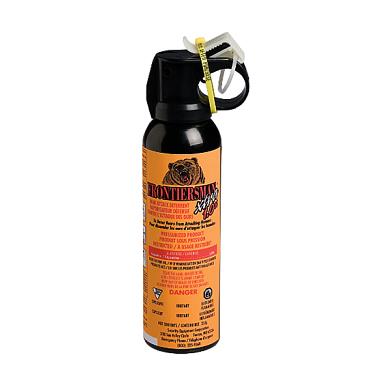
The Sabre Frontiersman is widely considered the gold standard for wilderness safety. It deploys a massive 35-foot cloud of capsaicinoids that disrupts a bear’s senses instantly. This tool is best for deep backcountry hikes in Grizzly territory. It even includes a glow-in-the-dark safety mechanism to help you find the trigger in low-light conditions.
One of the primary benefits of this spray is its industry-leading range. This distance provides a critical safety buffer if an animal begins to charge. Because it is EPA-approved, you can trust that it meets strict standards for potency and reliability. The deployment mechanism is also built to function perfectly under extreme pressure.
However, there are a few drawbacks to consider before your trip. This premium protection comes with a higher price point than entry-level models. Additionally, remember that you cannot transport bear spray on commercial airplanes. You must buy your canisters at your destination or ship them via ground.
Sabre Frontiersman Available on REI
While bear spray serves as your primary defense, avoiding an encounter is always the goal. Early warning tools can help you alert wildlife to your presence before you ever cross paths.
Best Early Warning Tool: Coghlan’s Magnetic Bear Bell
While high-performance bear spray provides a necessary safety net, the primary goal for beginners is to avoid an interaction entirely. Most dangerous encounters occur when a hiker accidentally surprises an animal at close range. This makes the Coghlan’s Magnetic Bear Bell an essential preventive tool for your kit. It creates a consistent noise that alerts wildlife to your presence long before you round a blind corner.
This tool is particularly valuable for solo hikers or small groups on dense, winding trails where visibility is low. The bell gives bears and other wildlife enough time to move away from the path peacefully. Adding this simple device to your pack can significantly reduce the anxiety of walking through thick brush.
Recommended Tool: [Coghlan’s Magnetic Bear Bell on Amazon]
One of the biggest advantages of this bell is its extreme affordability and the clever magnetic silencer. You can easily “turn off” the ringing by stowing the bell in its pouch when you are in high-traffic areas. Unlike more complex safety gear, it requires no specialized training and works simply by attaching it to your gear or clothing.
However, you must remember that a bell is an early warning system, not a defensive weapon. If a bear or other animal does approach you aggressively, the bell will not stop them from coming closer. For hikers who want an additional way to deter animals without using chemicals, a high-volume air horn is another excellent budget choice for your safety kit.
Best for Beginners & Budget: SABRE Sport & Safety Air Horn
If you are just starting out, you might feel overwhelmed by complex gear. For many, the SABRE Sport & Safety Air Horn is an ideal entry point. It provides a simple way to practice hiking safety animals without the complexity of chemical sprays.
This tool is best for casual day hikers and trail runners. It works exceptionally well in black bear territory or areas prone to stray dogs. The non-chemical nature makes it a “low-stakes” way to maintain a safe distance from wildlife.
Pros of the SABRE Air Horn:
- High Value: This is an incredibly affordable option for those on a strict budget.
- Compact Footprint: The small canister won’t weigh you down or take up much space in your pack.
- Loud Alert System: The blast is loud enough to notify other hikers if you are in trouble.
Cons to Consider:
- Potential Agitation: While it scares most animals, a loud noise may agitate a highly aggressive predator.
- Finite Use: You only get a limited number of blasts per can. Always check your canister before heading out to ensure it is full.


While individual gear is vital for your personal peace of mind, safety equipment also carries weight in the professional world. Many outdoor businesses now view these tools as essential for their daily operations.

Business Value: Safety Gear for Outdoor Operators
For outdoor guiding companies and adventure tourism operators, safety is more than just a precaution. It is a strategic business decision that offers a measurable ROI through liability mitigation. Stocking high-capacity, durable bear spray canisters is a smart investment for national park concessionaires. Since these products typically boast a four-year shelf life, they significantly reduce total equipment turnover costs.
Providing safety gear also addresses the psychological barriers that keep new hikers off the trail. Data from the Outdoor Industry Association indicates that outfitters offering mandatory wildlife safety training see a 40% increase in beginner bookings. While beginners often focus on comfort items like waterproof hiking shoes, they prioritize safety in wild environments. By renting out bear spray, operators transform trail wildlife safety for beginners from a source of anxiety into a managed risk.
This professional approach to safety ensures that guests can enjoy the wilderness with confidence. When operators provide the right tools, they also provide peace of mind for the journey ahead. Once the right gear is in hand, the next step is knowing how to use it in the moment. Understanding how to react during an encounter is the foundation of a safe hiking experience.
The 3-Step Decision Framework for Bear Encounters
Knowing what to do if you see a bear while hiking involves more than just carrying defensive tools. You need a mental blueprint that kicks in the moment you spot wildlife. This structured approach helps you stay calm and avoid the high-stress “fight or flight” response.
By following a three-step framework, you can evaluate the risks in real-time. This ensures your actions are measured and effective for the specific situation. Preparation replaces fear with a set of actionable instructions that prioritize your safety.
Trail wildlife safety for beginners relies on clear, methodical observation. You cannot react effectively if you do not understand the animal’s intent or its specific species. Mastering these steps provides the confidence needed to navigate wild spaces responsibly.
While having the right gear, such as waterproof hiking shoes, keeps you comfortable on the trail, this framework keeps you safe. Each phase of this plan builds on the previous one to ensure the best outcome. We will begin by looking at the physical cues used to identify the bear species.

Step 1: Identify the Species
Before you reach for your bear spray, you must know exactly what animal is in front of you. Identification is the cornerstone of trail wildlife safety for beginners because it dictates your next move. It is a common mistake to rely on fur color alone, as both species can have varying coat shades.
A grizzly bear is most easily identified by a prominent muscular hump on its shoulders. They also have short, rounded ears and a “dished” facial profile. This means their face looks slightly concave or scooped out between the eyes and the nose.
In contrast, black bears lack a shoulder hump and have a much flatter back profile. Their ears appear taller and more pointed compared to the smaller, fuzzier ears of a grizzly. Their facial profile is straight, sloping directly from the forehead down to the tip of the nose.
If you are unsure from a distance, using a tool like [Vortex Optics Diamondback Binoculars on Amazon] can help you spot these features safely. Knowing the species is critical because it changes how you handle a worst-case encounter. Once you have identified the bear, you can proceed to the next step of checking the animal’s behavior.
Step 2: Assess the Behavior
Once you have identified the species, your next priority is observing the bear’s current state of mind. Look closely to see if the animal has even noticed your presence yet. If the bear is foraging or moving away and hasn’t seen you, do not alert it. Instead, quietly and slowly back away the way you came while keeping your eyes on the animal.
A common sight that scares many beginners is a bear standing on its hind legs. This position is rarely a sign of aggression. The bear is likely just trying to get a better view or smell of its surroundings. It is curious about what you are, rather than preparing to charge.
You must recognize the clear difference between curiosity and defensive behavior. If a bear begins huffing, popping its jaws loudly, or swatting at the ground, it feels threatened. These are warning signs that you have entered its personal space. Reading these signals early gives you the time needed to prepare your deterrents.
To accurately read these signals from a safe distance, a reliable pair of optics is a smart addition to your trail kit. Quality Pick: [Nikon Prostaff P3 Binoculars on Amazon] Budget Pick: [Occer 12×25 Compact Binoculars on Amazon]
Understanding these behavioral cues is vital for your safety. It helps you decide exactly how to move to the final phase of the encounter.

Step 3: Respond Appropriately
The most important rule when deciding what to do if you see a bear while hiking is to never run. Running almost always triggers a predatory chase response in large mammals. Even the fastest human cannot outpace a bear, which can reach speeds of 30 miles per hour in various terrains.
If the bear remains stationary, begin backing away slowly and diagonally. Keep your eyes on the animal to monitor its movements, but avoid making aggressive or direct eye contact. Speak in a calm, firm, and monotonous voice so the animal identifies you as a human rather than a prey species.
Should the bear charge, you must resist the urge to flee and stand your ground instead. This is the moment to prepare your deterrent. Wait until the animal enters the 30-foot range before deploying a continuous burst of spray toward the bear’s face.
Recommended Safety Tools:
- Quality Pick: [Sabre Frontiersman Bear Spray on Amazon] provides the high-capacity range necessary for stopping a charge.
- Budget Pick: [SABRE Sport & Safety Air Horn on Amazon] serves as an excellent tool for scaring off curious animals before they approach.
While knowing how to react to an active encounter is vital, the best strategy is ensuring a confrontation never happens. Proper preparation and awareness can help you manage trail wildlife safety for beginners effectively.
Proactive Trail Safety and Prevention
While it is vital to know how to react to a bear, the best outcome is avoiding the meeting entirely. The most effective strategy for wildlife safety is ensuring an encounter never happens in the first place. This proactive approach relies on a combination of situational awareness and proper gear management.
In addition to carrying the bear spray and horns mentioned earlier, your daily habits play a major role in safety. Most wild animals are naturally shy. They will often move away if they hear you coming or do not smell a reason to stay.
Staying on established trails is a key part of your prevention plan. Wearing high-quality waterproof hiking shoes ensures you can navigate muddy or wet paths safely. If you stay on the path, you are less likely to veer into thick brush where animals might be resting.
Managing “smellables” like food and toiletries is equally important for avoiding unwanted guests. Quality Pick: The [BearVault BV450 Bear Resistant Food Canister on Amazon] provides a hard-sided, bear-proof solution for longer trips. Budget Pick: For day hikers, [OPSAK Odor-Proof Barrier Bags on REI] offer a lightweight way to seal in scents and avoid attracting curious wildlife.
The following sections will detail specific steps to stay visible and audible while hiking. We will also cover how to handle other common wildlife, such as snakes.

How to Avoid Encounters Before They Happen
The most effective strategy for trail wildlife safety for beginners is to prevent an interaction from starting. Statistics from wildlife experts suggest that bears are much less likely to approach larger groups of people. Always try to hike in a group of three or more to ensure your collective presence is intimidating to potential predators.
Noise is your best tool for avoiding surprises on the trail. You should talk loudly, sing, or clap your hands frequently to alert animals of your location. This is vital when moving through dense brush or near loud water sources that muffle your footsteps. For a budget-friendly way to signal your presence, a Budget Pick: [Coghlan’s Magnetic Bear Bell on Amazon] provides a continuous early warning.
Managing attractants is the final piece of the prevention puzzle. Always use a Quality Pick: [BearVault BV500 Bear Resistant Food Canister on Amazon] to store all food and scented items securely. Never leave trash behind, as this trains wildlife to seek out humans for food. Following these simple storage rules keeps both you and the animals safe.
While you focus on the path ahead in your waterproof hiking shoes, remember that prevention applies to all creatures. After mastering bear avoidance, you should also learn how to navigate paths shared with reptiles. This awareness ensures you are prepared for the smaller, more silent residents of the wilderness.
Safety Protocols for Snake Encounters
While bears often dominate the conversation, snakes are a frequent source of anxiety for new hikers. Much like the strategies used to avoid bear encounters, safety with snakes starts with giving them a wide berth. Most species, including venomous ones, only strike if they are stepped on or feel cornered. They generally prefer to avoid human contact whenever possible.
If you happen to see a snake, stop moving immediately. Carefully locate its position to ensure you do not accidentally step closer to another one nearby. Once you have identified its location, slowly back away while keeping your eyes on the animal.
If a snake is blocking the trail and refusing to move, try stamping your feet from a safe distance. The resulting ground vibrations often encourage the snake to slide away into the brush. Never attempt to prod or move a snake with your trekking poles, as this can trigger a defensive strike.
Recommended Safety Gear:
- Quality Pick: [Black Diamond Alpine Carbon Cork Trekking Poles on Amazon] provide excellent stability to help you keep your balance while backing away.
- Budget Pick: [TrailBuddy Trekking Poles on Amazon] offer a durable and affordable way to test the ground ahead of you in tall grass.
Proper footwear also provides an extra layer of defense against unexpected trail hazards. You can learn more about choosing the right pair in our guide on why waterproof hiking shoes are essential for outdoor adventures. Following these simple steps will help you stay safe as you explore. Next, we will address some common concerns in our frequently asked questions section.

Frequently Asked Questions (FAQ)
Understanding how to handle wildlife encounters is essential for trail safety for beginners. Even with the right gear, you likely have specific questions about high-stress scenarios. Here are the most common concerns hikers face when entering bear country.
Should I play dead if a bear attacks? Whether you play dead depends entirely on the species of bear involved. According to the US Forest Service, if you are attacked by a Grizzly bear, you should leave your pack on and play dead. Lie flat on your stomach and clasp your hands behind your neck to protect your vitals.
If a Black bear attacks, however, you should never play dead. In these rare instances, you must fight back with everything at your disposal. Use rocks, sticks, or your bare hands to target the bear’s face and muzzle.
Are bear bells actually effective? Bear bells are a popular early warning tool used to avoid bear encounters hiking. They help break the silence of the woods, which prevents you from startling an animal. This is especially useful in dense brush or near loud streams.
While they are helpful, human voices are much more effective at alerting bears to your presence. Bears recognize human speech as a non-prey sound and will usually move away. Use bells as a supplement to loud talking or clapping rather than a total replacement.
Can I run away from a bear? No, you should never attempt to run from a bear under any circumstances. Bears are elite athletes that can sprint at speeds exceeding 30 mph. Even the fastest human cannot outrun them, especially on technical trail terrain.
Running can also trigger a bear’s predatory chase instinct. If you see a bear, your best move is to stand your ground and slowly back away. This behavior signals that you are not a threat and are not behaving like prey.
How long does bear spray last? Most premium bear sprays have an expiration date typically ranging from three to four years. Over time, the internal propellant naturally degrades or leaks from the canister. This can result in a weaker spray or a complete failure to deploy during an emergency.
Always check the date on your canister before heading out for a hike. If your spray has expired, do not risk your safety. Replace it immediately to ensure you have a reliable line of defense on the trail.
Now that we have cleared up these common misconceptions, let’s wrap up with a concrete plan to keep you safe on your next adventure.
Conclusion & Your Safety Action Plan
Understanding what to do if you see a bear while hiking is less about fear and more about biological preparedness. When you understand how these animals behave, you can replace panic with a clear, calm plan. By carrying the right tools and practicing basic trail etiquette, you drastically reduce the risk of a negative encounter. Proper preparation also allows you to enjoy the scenery instead of constantly scanning for threats.
Your Next Steps:
1. Equip Yourself Properly Before your next adventure, invest in an EPA-approved bear spray and a compatible chest holster. Having your deterrent within reach is the only way to ensure it works when seconds count.
Recommended Tool: The Sabre Frontiersman Maximum Strength Bear Spray is a professional-grade option that provides a wide, effective barrier. Pairing this with a dedicated holster ensures your gear does not get buried at the bottom of your pack.
2. Practice Your Draw Do not wait until you see a bear to figure out how your spray works. Spend ten minutes practicing the motion of removing the canister from its holster and removing the safety clip.
This simple exercise builds muscle memory, which is vital when adrenaline spikes during a real encounter. You want your hands to move automatically while your mind focuses on assessing the animal’s behavior.
3. Hike Smart and Stay Stable Stick to the “group rule” by hiking with at least two other people whenever possible. For your first few trips, prioritize popular trails where human activity naturally keeps wildlife at a distance.
Having the right foundation also matters for your overall confidence on the trail. Just as you need a safety plan for bears, you need the right footwear to stay stable on uneven terrain. For more tips on building your kit, see why 5 Reasons Waterproof Hiking Shoes Dominate Outdoor Adventures are essential for beginners.
[Shop Our Top Pick: Sabre Frontiersman Maximum Strength Bear Spray]
Disclosure: Some of the links below are affiliate links. This means that, at zero cost to you, I will earn an affiliate commission if you click through the link and finalize a purchase.